Boating offers an incredible way to relax and enjoy nature, but ensuring boaters safety on the
water is essential. For Alumacraft boat owners, understanding and implementing safety practices
can enhance your experience and protect everyone onboard. Alumacraft, known for its high-quality
aluminum boats, emphasizes safety and quality in all its products. In this article, we provide
practical boating safety tips to ensure a safe and enjoyable boating experience.
1. Take a Boater Safety Course
Before you set sail, it's important to have a solid understanding of boating rules and
regulations. Taking a boat safety course is one of the best ways to prepare yourself. These
courses cover essential topics such as navigation rules, emergency procedures, and legal
requirements.
An online boater safety course offers convenience and flexibility, allowing you to learn at
your own pace. If you're wondering how long a boater safety course is, it typically ranges
from a few hours to a few days, depending on the curriculum and your learning speed.
Even if you are age-exempt from taking the course, and even if you’ve been boating for years,
you are likely to learn something valuable by investing a few hours in taking your state course.
Visit Taking Boating Safety Course to find courses in your state, or take your boating education
a step further with a course
offered by the U.S. Coast Guard Auxiliary.
2. Check Weather Conditions
Before heading out, always check the local weather conditions. Weather can change rapidly, and
being caught in a storm while on a boat can be dangerous. Make sure you have access to a
reliable weather forecasting service and check for updates regularly throughout your trip.
Cellphone weather apps can be very accurate, but the cell signal might not be available on
bigger, remote lakes.
Use a VHF radio
You can also count on the National Oceanic and Atmospheric Administration (NOAA), National
Weather Service (NWS) forecasts and updates available 24/7 through Very High Frequency (VHF)
radio broadcasts. All modern fixed and hand-held VHF radios can tune in to the forecasts.
Remember to avoid boating in severe weather or high winds that could compromise safety.
A VHF radio is an important tool for communication and safety on the water. It's more
reliable than a cell phone in a marine environment and can be used to call for help in an
emergency. Make sure you know how to operate your VHF radio and understand the procedures for
making a distress call.
3. Wear Life Jackets
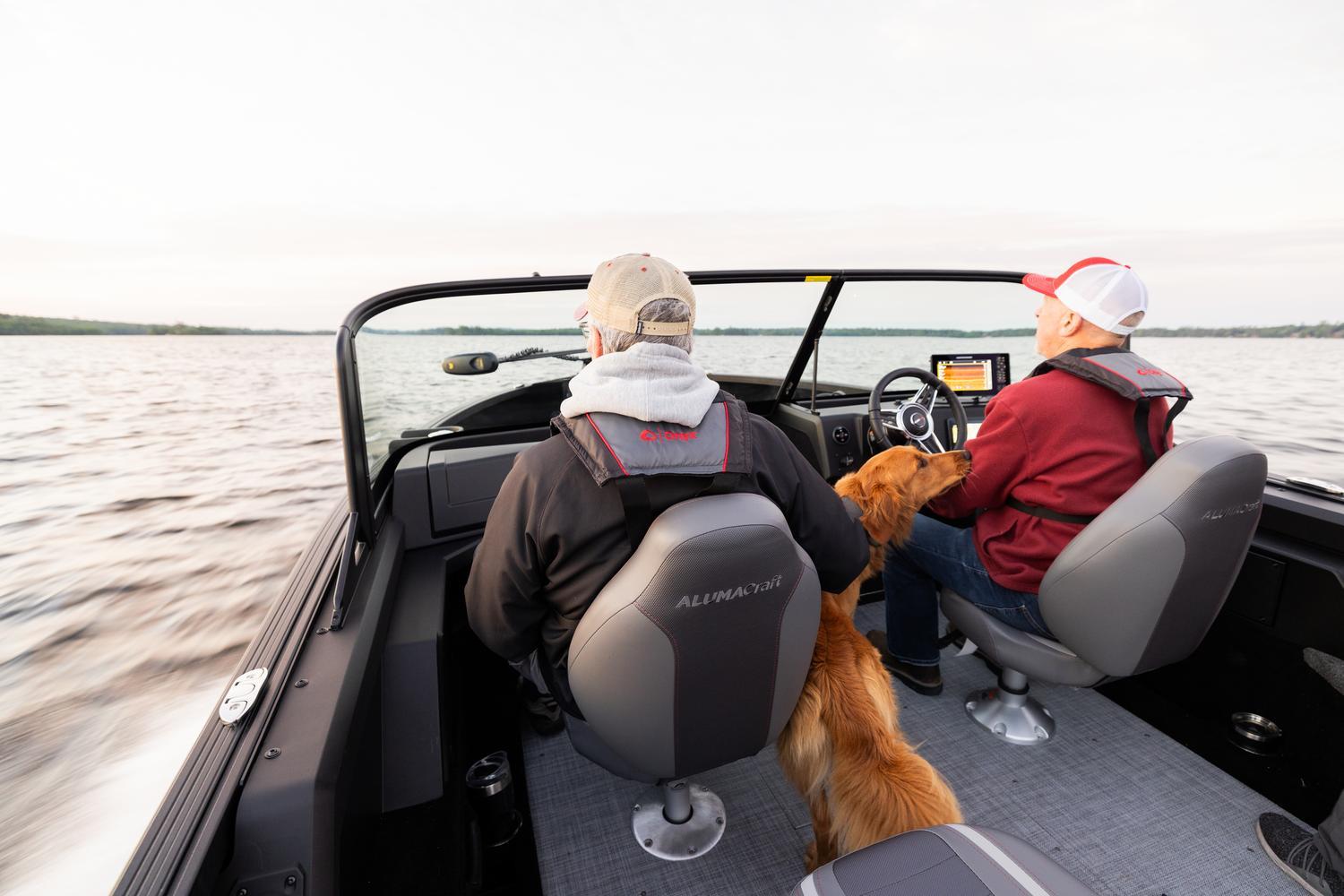
Wearing a life jacket and insisting that everyone on your Alumacraft boat also wears one, is
the number-one thing you can do to be safer on the water. It’s not enough to just have life
jackets on board. Thinking you’ll grab a life jacket after there’s an accident, or after you
fall overboard, is like thinking you’ll put on your seat belt after an auto accident starts.
There are many PFD options available that offer outstanding comfort in most conditions. Chose
the best one for your boating activity and make sure the life jackets are U.S. Coast
Guard-approved and properly fit each individual on your boat, including children.
4. Develop a Pre-Departure Safety Checklist
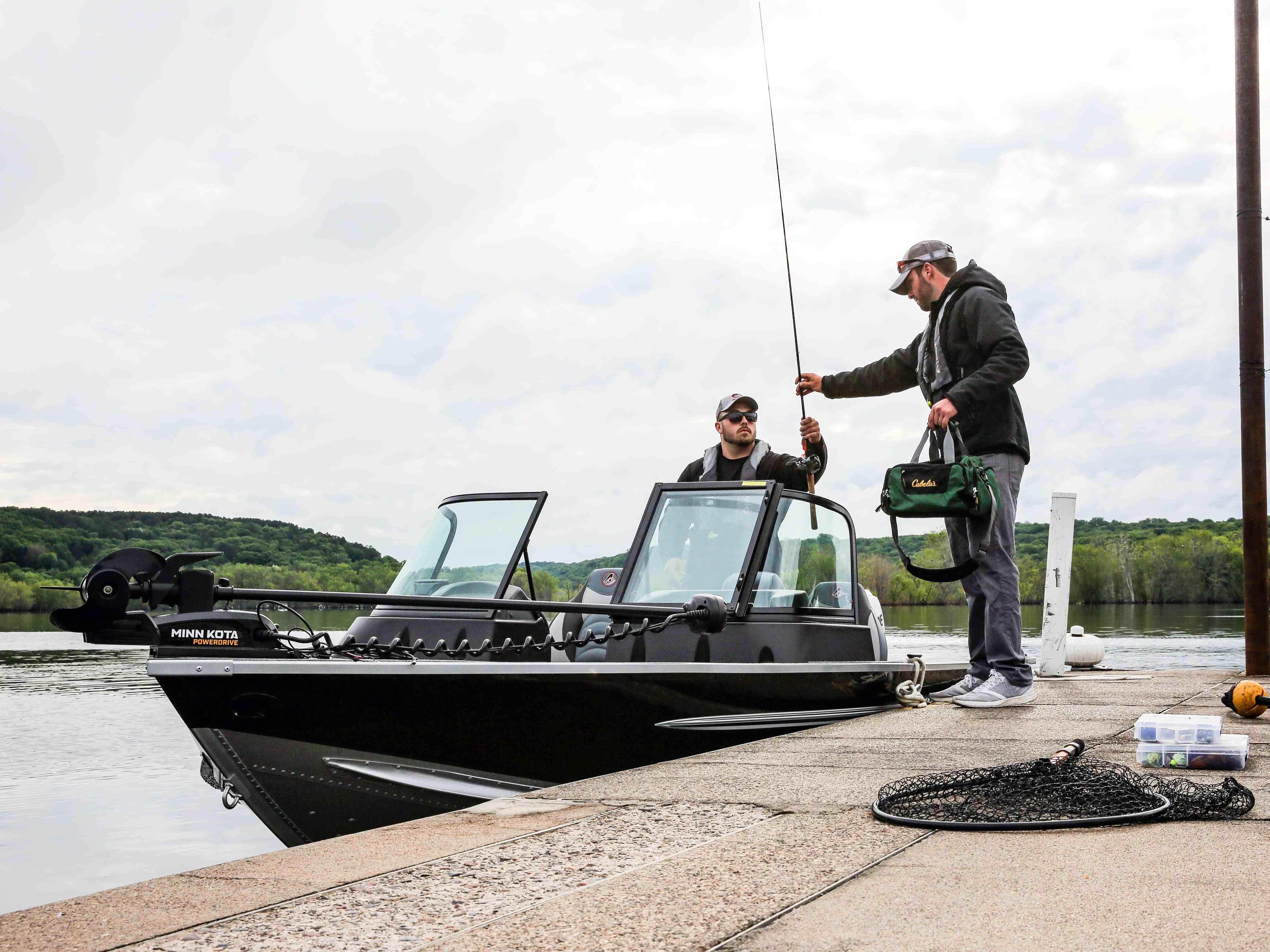
Having a pre-departure checklist is essential for a safe boating trip. This list should include
items such as:
- Checking fuel levels - Checking engine functionality
- Ensure all onboard systems (navigation lights, bilge pumps) are operational
- Verifying that all safety equipment is on board and in working order
5. Know What Safety Equipment Is Required on a Boat
It's critical to know what safety equipment is required on your boat. This includes items
like fire extinguishers, flares, a first-aid kit, and a VHF radio for communication. The
specific requirements may vary depending on the size and type of your boat, so be sure to
familiarize yourself with the laws in your area.
6. Follow Safe Boating Etiquette
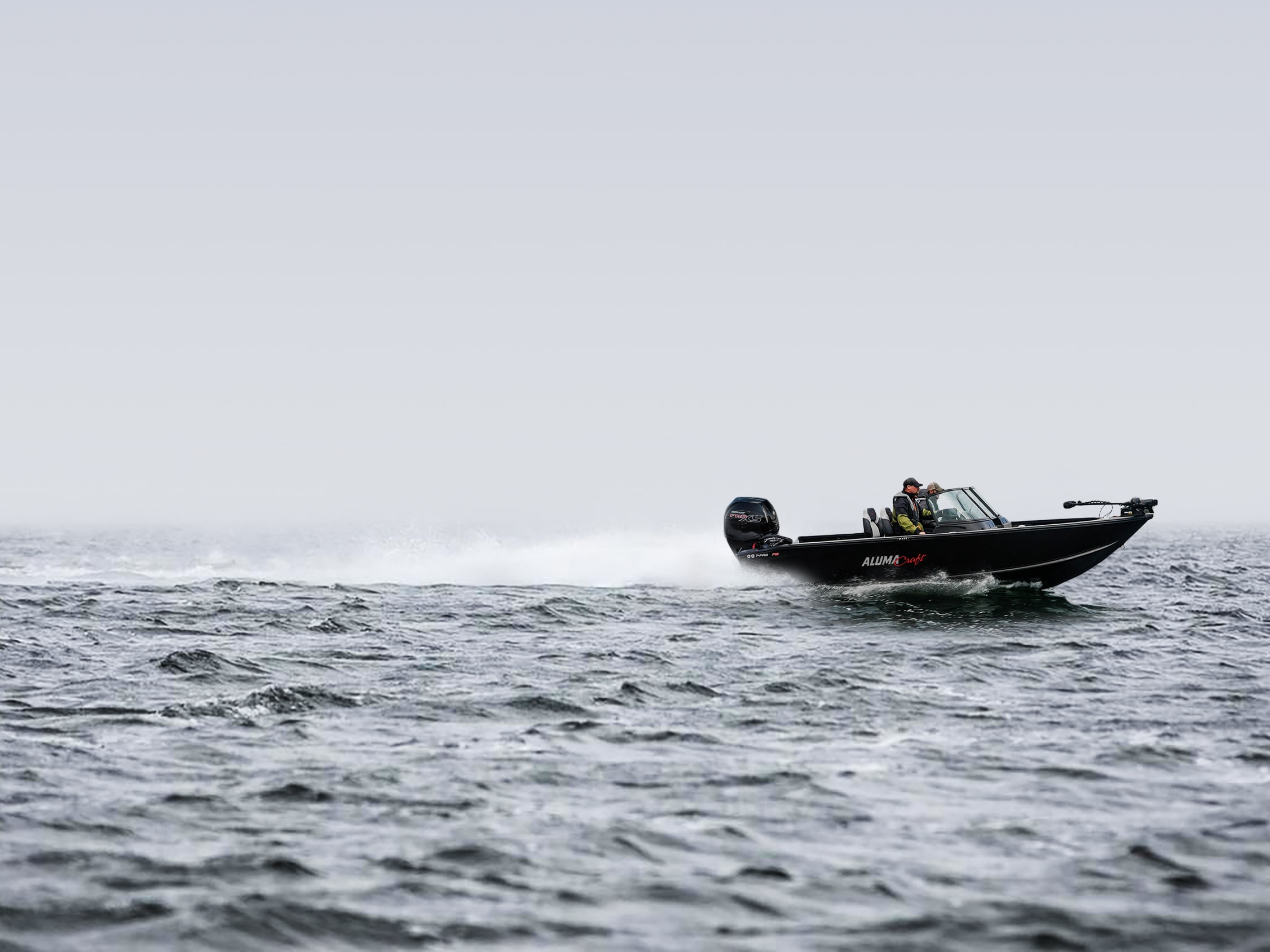
Safe boating practices are the cornerstone of a secure boating experience. Always operate your
boat at a safe speed, especially in crowded areas. Be respectful of buoys and other navigational
aids, which have been placed there to ensure your safety.
7. Maintain Your Boat Regularly
Regular boat maintenance and checks are crucial for safety. This includes inspecting the hull
for damage, checking the engine and electrical systems, and ensuring the bilge pump is
functioning properly. Boats made of certain materials, such as aluminum boats, may require
specific maintenance routines. In order to properly maintain your boat, it is important to clean
it on a regular basis to avoid any corrosion.
8. Consider a Free Vessel Safety Check
The U.S. Coast Guard Auxiliary offers a free vessel safety check service. This is a great
opportunity to have a trained professional examine your boat and provide valuable safety
information. They can also verify that you have all the required equipment on board.
9. Avoid Alcohol and Drugs/Be a Sober Captain
We all know boat owners who would never drink and drive on land, but they seem to think it’s
no problem on the water. But according to U.S. Coast Guard statistics, alcohol use is the
primary contributing factor in boater fatalities.
Consuming alcohol negatively impacts vision, balance and reaction times and can cause
dehydration. Stay sober while boating to maintain alertness and quick reaction times in case of
emergencies.
10. Be Prepared for Emergencies
Despite all precautions, emergencies can still occur. Familiarize yourself with emergency
procedures and have a plan in place for different scenarios. This includes knowing how to use
your safety equipment, understanding how to signal for help, and having a method for quickly
locating life jackets and other emergency gear.
Final Thoughts on Boating Safety
Prioritizing safety is crucial for an enjoyable and secure boating experience. By implementing
these 10 safety tips, Alumacraft boat owners can ensure a safe and memorable time on the water.
For more information on Alumacraft boats and safety equipment, contact an Alumacraft authorized boat
dealer.
Safe boating starts with informed decisions and responsible practices. By integrating these
guidelines into your boating routine, you contribute to a safer boating community while
enhancing your own enjoyment on the water.